《川味2》延续了第一部的拍摄模式,用时间的力量,记录美味的发生,用独特的手法展现美味最具诱惑的瞬间,影片从川菜的名菜开始,到民间风味,再到那些封藏在山间田野的食材,彬歌带着镜头与一群对美食执着的人,为大 家道出美味是如何发生的。 是一部探讨中国人与美食的关系的食物纪录片。 自2012年精心筹备3年后才启动的美食系列片,影片旨在为众多热爱川菜的吃货们带去最具诱惑力的美食影像。
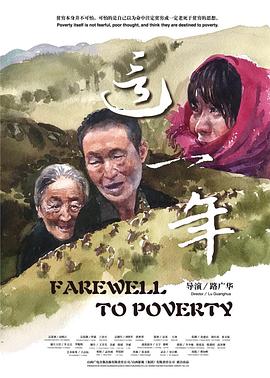
山西省岢岚县,有91个贫困村、贫困户4580户、贫困人口10181人,按照岢岚县脱贫攻坚的整体部署,政府计划将115个整自然村易地搬迁。电影《这一年》就是在这个背景之下,用镜头真实客观地记录了几个特困家庭在搬迁中的矛盾纠葛,以及在新生活中重获希望的过程。
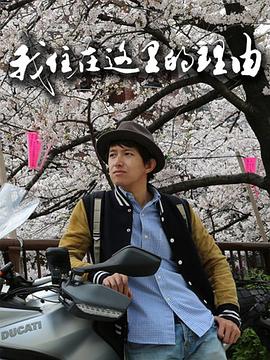
《我住在这里的理由》是通过演员阿部力拜访住在海外的中国人,来介绍世界各地风土人情的旅游式纪录片。拜访前,阿部只被告知了主人公所在的地点。这是一次完全没有台本的自由旅行。每个人在选择自己生活的地方时,一定有他(她)的理由。阿部力通过走访住在日本的中国朋友们,用他的视角来展现你所不知道的这个国度的风土人情。
该片拍制历时三年,几经修改打磨。头三集动用了来自多个国家的演员,参与再现东西方文明史中那些文明巨人的著作形成或影响历史的伟大故事,同时使用大量动画来力求生动表现读书与文明史的深刻关联。第四集通过钱镠家族、翁同龢家族、蒲松龄传奇等,揭示人生的高度与读书之间的关联,读书的祖传家训具有启示教益价值。第五集则展现了全民阅读在中国的实践历程,及对社会产生的深远文化影响。
跨媒體「鬼才」黃霑,對香港的流行文化影響深遠,他參與創作的流行曲、影視作品、廣告等等,也是多代香港人的共同回憶。趁着霑叔離世接近二十周年,節目希望透過舊片重溫,回顧他的生平成就。其生前好友鍾鎮濤、雷頌德、鄭國江,也會憶述關於霑叔的深刻點滴,並讓觀眾再次感受霑叔的才情橫溢。此外,霑叔的長子黃宇瀚一直甚少在鏡頭前出現。這次難得受訪,他會以兒子的視角,細訴霑叔私底下的面貌。
各位ARMY,请扣好安全带,准备同SUGA 一齐出发,游历各个城市,寻找音乐灵感的来源。
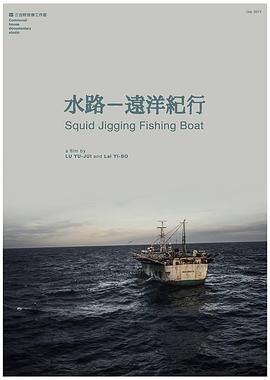
高雄前鎮漁港每年十二月到隔年一月,有近一百艘魷釣船從東經120度航向西經60度,前往西南大西洋漁場的福克蘭群島外海作業,捕釣台灣日常生活中常見的阿根廷魷魚,而這段大約耗時35至40天的枯悶航程,被船員們稱之為——「水路」。2015年1月1日,一艘船身長65米,寬11米的900噸魷釣船,從前鎮漁港啟航,將載著60名來自東南亞各國的船員,前往與台灣時差12小時的福克蘭群島外海作業,影片是關於這群海上勞動者的遠洋討海紀行。
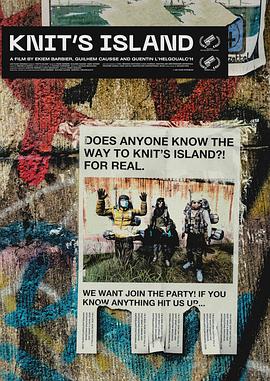
Somewhere on the internet is a land where communities pretend to live out a survivalist fiction. The avatars of the directors of Knit’s Island spent 963 hours there, creating a fascinating film resulting from their encounter with these communities. The “players” reveal their fears and fantasies, in an at times unsettling blurring of the real and the virtual.
A live concert experience and exclusive look into life on the road with the Jonas Brothers during their sold out 'Happiness Begins' concert tour in 2019.
羽生结弦首次在东京巨蛋冰上表演,即使离开竞技场,仍然在属于自己的舞台发光发热。羽生结弦与东京爱乐交响乐团共谱世界级表演,顶尖的技术、优美的音乐、华丽的灯光同视觉效果,冲击观众感官嘅极致视听盛宴。收录长达150分钟的演出,更独家公开30分钟从未曝光的幕后花絮。
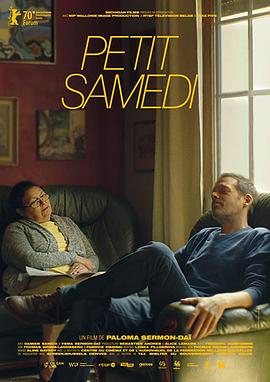
Samedi lives in a village in Wallonia. He works from time to time as a gardener and has a close relationship with his mother. Everyday life in the village, which has seen better times, Samedi's quiet and friendly nature and the still largely intact rural setting stand in stark contrast to the heroin addiction Samedi has suffered from for over 20 years, which only his family knows about. His relationship with his mother changes when he makes another attempt to get clean. Paloma Sermon-Daï’s documentary paints a restrained, highly precise picture of a relationship marked by affection and love but which is also difficult to define in relation to Samedi's problem. As the camera observes the long, concentrated conversations he has with both his mother and his therapist, a picture of addiction comes into view which is part of a family structure. This becomes embedded in something larger in turn via the individual images of the village. Petit Samedi creates an image of dependence in which individual, family and social coexistence are intertwined, without falling into the trap of saying what might be able to solve the problem.