在这部系列纪录片中,被判蓄意谋杀罪的死刑犯透过第一手陈述,诉说自己犯下的罪行。
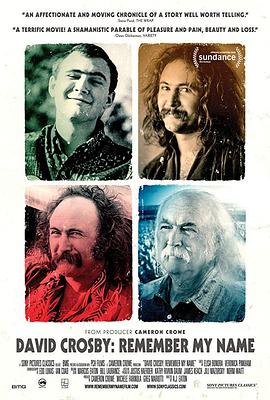
Meet David Crosby in this portrait of a man with everything but an easy retirement on his mind.
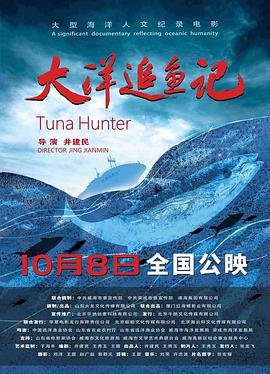
影片记录了鲁荣远渔267、268金枪鱼延绳钓船的船员,在印度洋上生产工作场景和精神情感世界。 影片讲述老百姓身边的海洋故事,聚焦中国远洋渔业船员劳动群像,透视远洋劳动者追求美好生活的精神内核,诠释开拓进取、挺进深蓝的海洋文化特质。影片人文内涵丰富,影像视角独特,是一部中国远洋人的追梦赞歌。
《西寧國宅》呈現蔡明亮對於早期社宅的回首凝視,純粹以畫面紀錄將逝的社會場景及流竄的城市謠言,更回看早期作品《海角天涯》與《洞》的歲月痕跡。西寧國宅面臨拆遷之際,如今還住在那的上百戶人家,有什麽想法?有什麽感受?是捨還是不捨?蔡明亮作為一個與西寧國宅有些許因緣的影像創作者,只想好好地再看她一眼。
这部纪录片系列检视基本教义派的耶稣基督后期圣徒教会领袖沃伦·杰夫斯如何崛起,以及他犯下的惊天刑案。
「新宝岛曼波」拍摄以抒情诗人著称的杨泽,邀请小说家骆以军、杨隶亚、黄崇凯共同参与编剧,表现诗人致力探索的70年代迄今的台湾文化论述。全片尝试创造纪录片全新的叙事方法,聚焦杨泽的百年情怀与文化史观,并企图让电影开展「南部是歌,北部是诗」的诗意视野。
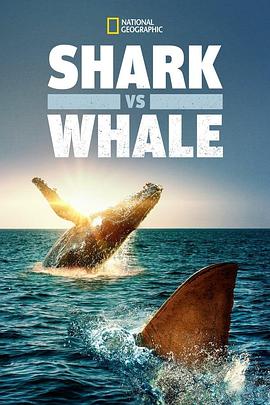
当鲨鱼科学家瑞恩·约翰逊(Ryan Johnson, 海洋生物学家)拍摄到座头鲸被大白鲨袭击并淹死时,一次常规的无人机调查变得致命。 这种前所未见的行为导致约翰逊一生都在研究的生物的视角发生了彻底的转变,促使他跟随座头鲸迁徙并绘制可能使它们易受伤害的地方。
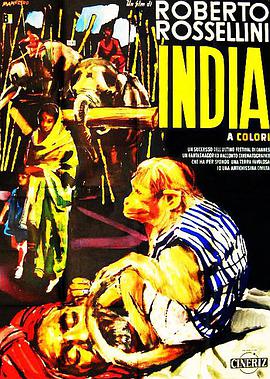
本片分为四个部分,展开了对印度文化、建筑及社会状况之旅。当时的印度社区状况给导演罗西利尼留下了深刻的印象。
在清华园里,有四个人正站在自己人生的路口。他们之中,有刚历经高考、一波三折地考入心仪学府的第一代“00”后大学生,有即将离开象牙塔、面临艰难抉择的博士毕业生,有旅美归来入职清华、满怀“观天”理想却挑战重重的青年教师,有耄耋之年、荣休后依然坚持站立三尺讲台的老院士。影片以三年的悠悠光景,诉说了四个清华人一生的理想,以及在他们身后属于这所大学的永恒青春。
Future of Food In the past year, we have seen food riots on three continents, food inflation has rocketed and experts predict that by 2050, if things don't change, we will see mass starvation across the world. This film sees George Alagiah travel the world in search of solutions to the growing global food crisis. From the two women working to make their Yorkshire market town self-sufficient to the academic who claims it could be better for the environment to ship in lamb from New Zealand, George Alagiah meets the people who believe they know how we should feed the world as demand doubles by the middle of the century. 【India】 George joins a Masai chief among the skeletons of hundreds of cattle he has lost to climate change and the English farmer who tells him why food production in the UK is also hit. He spends a day eating with a family in Cuba to find out how a future oil shock could lead to dramatic adjustments to diets. He visits the breadbasket of India to meet the farmer who now struggles to irrigate his land as water tables drop, and finds out why obesity is spiralling out of control in Mexico. Back in Britain, George investigates what is wrong with people's diets, and discovers that the UK imports an average of 3000 litres of water per capita every day. He talks to top nutritionist Susan Jebb, DEFRA minister Hilary Benn and Nobel laureate Rajendra Pachauri to uncover what the future holds for our food. 【Senegal】 George heads out to India to discover how a changing diet in the developing world is putting pressure on the world's limited food resources. He finds out how using crops to produce fuel is impacting on food supplies across the continents. George then meets a farmer in Kent, who is struggling to sell his fruit at a profit, and a British farmer in Kenya who is shipping out tonnes of vegetables for our supermarket shelves. He also examines why so many people are still dying of hunger after decades of food aid. Back in the UK, George challenges the decision-makers with the facts he has uncovered - from Oxfam head of research Duncan Green to Sainsbury's boss Justin King. He finds out why British beef may offer a model for future meat production and how our appetite for fish is stripping the world's seas bare. 【Cuba】 In the final episode George Alagiah heads out to Havana to find out how they are growing half of their fruit and vegetables right in the heart of the city, investigates the 'land-grabs' trend - where rich countries lease or buy up the land used by poor farmers in Africa - and meets the Indian agriculturalists who have almost trebled their yields over the course of a decade. George finds out how we in this country are using cutting-edge science to extend the seasons recycle our food waste and even grow lettuce in fish tanks to guarantee the food on our plates. He hears the arguments about genetically modified food and examines even more futuristic schemes to get the food on to our plates.