年轻人阿政(谢霆锋饰)总想着能有不一样的生活,向往去南美。一次偶然,他邂逅卧底女警察(徐子淇饰),当上了“准爸爸”。为了筹钱抚养女方肚中的孩子,阿杰辞掉了酒吧招待的工作,跟随吉叔(黄秋生饰)做起了保镖。 阿杰(伍佰饰)多年来在南美担任雇佣兵,在经历枪林弹雨的战火生活后, 他想着洗手告别过去,回到香港娶了慧(卢巧音饰),她是香港有权势的黑社会老大的女儿。一次阿杰无意中结识了阿政。 而阿杰为了照顾妻子,独吞了钱财,昔日战友们很快追到香港,一场恶战在所难免。
志愿成为摄影师的肖恩(罗伯特·席安 Robert Sheehan 饰)根本不想被死板的工作束缚。为了生计,他和狐朋狗友德里克(Carlito Olivero 饰)靠偷盗为生,甚至假扮餐厅门童开客人的车到人家家里盗窃。这一晚,肖恩开着玛莎拉蒂潜入一个似乎是成功人士的家中。当他以为得手时,居然在对方房间里发现一名遭受虐待全身被捆绑起来的女子。原来,那个衣冠楚楚的男人凯尔(大卫·田纳特 David Tennant 饰)竟然是冷血残酷的虐待狂。 虽然暂时逃过一劫,但是肖恩的举动很快被狡猾的凯尔察觉,他也由此成为对方的猎物。猫捉老鼠,亦正亦邪,可怕的罗网悄然张开……
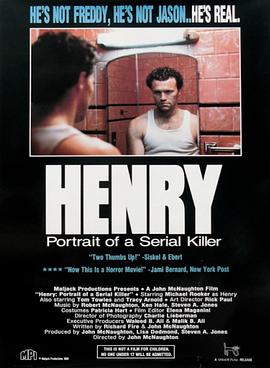
HENRY热中于杀人,他把杀人当成一种艺术,在相同的时间用不同的方法杀死不同的人。他把房子租给了一个叫OTIS的人,当他的姐姐来访的时候,HENRY的杀人冲动又开始萌动了。。。。。 这部片子是美国黑色电影的代表作,在80年代末曾多次获奖,电影的表现手法及剪辑都相当精彩。 谓“黑色电影”?它是否一种类型,运动或潮流?至今仍无定论,有的学者认为“黑色电影”是一种类似西部片,音乐喜剧片,恐怖片的的片种,是一种有着深厚历史与社会背景下产生的1940-1960年间的电影潮流或运动,有的甚至认为“黑色电影”必须是黑白片,60年后便再也没有“黑色电影”了。但我个人认为“黑色电影”不是任何一种类型片,虽然其称号来自30,40年代的强盗片/犯罪片与侦探片。那“黑色电影”到底是什么呢?我个人认为,它是一种含有“黑暗或黑色”情绪与心理色调的特质电影,所以它与一些类型片如强盗片/犯罪片,侦探片(有人认为黑色侦探片是强盗片的延伸),音乐喜剧片,甚至科幻与恐怖片都会有互相重叠的部分(因为划分标准是不同的)。 黑色电影所具有的历史社会背景很大如战争,经济大萧条,政府与社会制度的弊端等;一般取材于现实生活(当然也有少量的科幻题材);描写的阶级层面并不仅限于社会底层,也可涉及中上流社会;影片中常常出现夜色下的城市,兰色的灯光洒在湿漉漉的街道上,周围是高大的水泥墙……,光色抑郁,影片人物愤世或觉醒,气质忧郁,有宿命感和悲观主义,但又往往具有独来独往不受约束,什么都不在乎的无政府主义,如果是女性角色则大多具有独立精神,甚至邪恶,放荡如通过性来操纵男人达到目的,但无论影片的主人翁是英雄还是匪徒,其结局往往是失败(因为影片总体是从批评与讽刺的角度来描写的),表现出秩序与反秩序的冲突,并抨击追求物欲产生的堕落与残暴。 这部片子还有一个译名:连环杀手的画像」听起来不是很吸引吗?
高宇蓁饰演性工作者,为了实现梦想,被卖到国外从事性工作。电影除了是对性工作者这一社会边缘群体的关注,也阐述女性议题。 黄冠智饰演高宇蓁的弟弟;段钧豪、黄冠智饰演经常光顾茶室的警察;郭耀仁饰演茶室围事、也是妈妈桑的姘头;蔡嘉茵饰演妈妈桑。众人将共同演绎大时代底下边缘角落的小人物故事。
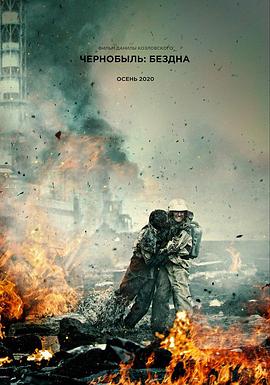
这是俄罗斯第一部大型电影,讲述了切尔诺贝利核电站事故的后果以及为避免全球灾难付出生命代价的人们的复原情况。并将欧洲大陆的大部分地区变成一个巨大的异地区和无人居住的沙漠。主角是消防队员阿列克谢,初看起来不像英雄。瓦莱尔卡工程师和鲍里斯的潜水员自愿同他一起去进行危险的突袭。 几乎没有时间制定详细的计划。由于熔化的堆芯临近,反应堆容器内的水每小时都变得越来越热。该小组面临着一个致命的任务,一个最危险的任务-去地狱,也许是最可怕的灾难后果。
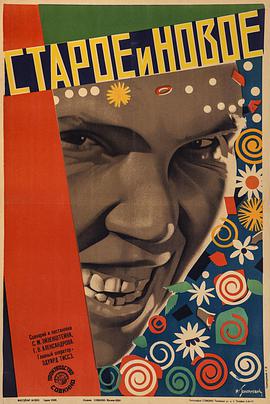
Due to some common interests between German and Russian aristocracy ( the Russians even had aristocrats in their past not to mention they had an Empress called Catherine the Great, as great as this German count's heiresses… ), it is not strange that this Teutonic count has understood and even enjoyed Herr S. M. Eisenstein's "Staroye I Novoye". It is not very usual that for the aristocracy to enjoy Bolshevist films full of proletarian demands that put private property at risk or as it happens in this case, a film about the Communist Party's policy on the subject of the collectivization of the Soviet agriculture. Normally this would be perfect gibberish for this German count, but thanks to Herr Eisenstein 's greatness and directorial talent, the hardships of the heroine of the film, Dame Marfa ( Dame Marfa Lapkina ) breached even the thick aristocratic Schloss walls. And that's one of the first remarkable aspects of this oeuvre in spite of the political subject of the film, the powerful images and lyricism ( astonishing and beautiful shot compositions ), especially during the first part of the movie, preserve the artistic merits entirely while serving a propaganda purpose. The second remarkable aspect of the film is the dichotomy between the old and new, the fight to improve the lot of Dame Marfa and her countrymen. There are many discussions because it is not easy even in Russia to change ancient and conservative customs. There are superb metaphors and social criticism ( illiteracy, bureaucracy, religiosity ) which perfectly fit the film, and last but not least, "Staroye I Novoye", is a kind of archaic documentary about ancient customs established deeply in old Russia, those ones that our heroine must fight against. And there is also a lot about agriculture ( very enlightening for this German count), especially about harvesting and how to fatten Russian cows or pigs ( literally, no pun here… ). Herr Eisenstein had to bear during the last era of his film career, unbelievable censorship and mutilation of his work, as happens with "Staroye I Novoye". The film was reedited and Eisenstein accused of sympathizing with Trostky's policies but fortunately the film was restored and showed by the German-frenchified t.v. channel "ARTE", natürlich!, including an evocative music score by Herr Taras Bujewski, that fits superbly Herr Eisenstein primal artistic interests. And now, if you'll allow me, I must temporarily take my leave because this German Count must buy a tractor for one of his Teutonic heiress.
故事发生在一间名为“铜锣之春”的铜锣烧专卖店里,千太郎(永濑正敏 饰)是这里的店长,曾经,他有过一段十分灰暗的过往,如今,他将不堪回首的回忆深深的埋葬在心底,安安心心,只做一介卖铜锣烧的小贩。 某日,一位名叫德江(树木希林 饰)的老人来到了店铺,声称自己是来应聘做店员的,然而,小小的铜锣之春里并不需要店员,千太郎从一开始就打算拒绝德江。然而,德江拿出了自己制作的红豆馅,品尝过后,千太郎被馅料的美味所震惊了,就这样,德江成为了店里的一员。随着时间的推移,一些有关德江的不利传闻在小镇上蔓延开来,甚至影响到了店铺的经营。
莫妮卡在朋友的鼓励下成立了一个众包基金来支付女儿的医院费用。但随着一个看似有吸引力和慷慨的男人诺亚捐赠了越来越多的钱,她开始质疑他的动机。
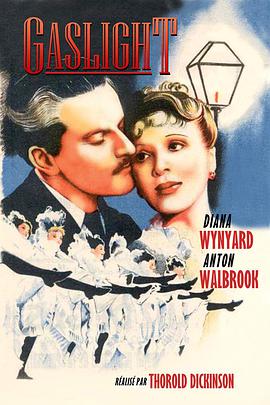
Twenty years ago, old Mrs. Barlow was killed in her home at 12, Pimlico Square for her priceless rubies. The murderer searched the whole house without finding them, then disappeared. The house has been empty since then, but now Paul and Bella Mallen move into the apartment. Bella Mallen suffers from forgetfulness and nervousness - at least that is what her husband tells her. An elderly horse wrangler, B.G. Rough worked as a policeman twenty years ago and still remembers the unsolved case. He notices that Mr. Mallen looks just like Louis Barre, Mrs. Barlow's nephew. And why does Mr. Mallen so mysteriously leave every night just to go into the apartment next door, nr. 14?
无儿无女的医生的妻子读到了丈夫的护士的日记,想象她可能和倾慕的自己的丈夫之间要发生外遇.她设法让护士嫁人,最终却发现继任的护士更加漂亮.
韩双是从美国回来的归国华侨,受西方教育的影响,看到国内家长教育子女的方法感到极为不满。她帮助从农村来到城市的同桌刘向争夺人权,帮助他学习英语,渐渐成为同出同入,形影不离的好朋友,在即将回到美国前,却被发现不可告人的身世,惨遭父母抛弃,而此时韩双和刘向的友情已转化为亲情,在一个美好的节日,同刘向一起走进了他的,也是将来他、她和他的父亲共同的家,虽然是农村,但也有一片自主和自由的天堂!