Dave talks about not actually growing up in the projects, the hate he received from the transgender community, and from fake news.
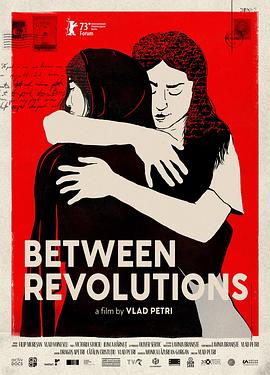
70年代,伊朗女孩赫拉在罗马尼亚上大学,她认识了一个叫玛利亚的同学。在79年反对君主制的革命爆发后,赫拉怀着政治变革的希望回国,此后再也没离开。接下来的几十年,赫拉和玛利亚通过书信传情的方式,交流她们对政治、社会和人生的看法,直到罗马尼亚也迎来苏东巨变。两场革命之间,是两个女人超越时空的精神恋爱。导演用详实的历史资料作为支撑,通过模糊纪录片和剧情片边界的方式讲述这段感人往事。
江文淵的都市造山,如何在不可避免的集居年代,依然不與自然斷裂,考驗著建築師對精神向度的追求與技術的突破。 廖偉立的建築作品,我們發現了駁雜又現代的台灣,為台灣的混亂找到看法,為聖俗共存找到可能性。 在黃聲遠的帶領,我們發現建築師可以如此具有社會性。他不願意讓建築淪為商業操作來服務少數人,因此無論是大棚架系列、維管束系列,黃聲遠都渴望為不同的社會階層留下各種可能性。 心的寧靜與安定,一直是曾志偉長期追尋的方向,因此他具實驗性的、挑戰常軌的建築,為的就是期待人們能感受到自然所帶來的療癒及安定。
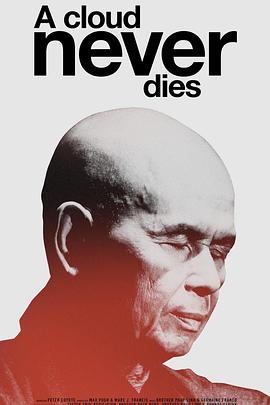
没有通往和平的道路;和平就是道路。 由演员彼得·考约特(Peter Coyote)旁白的《一朵云永不会死去》(A Cloud Never Dies)是首部授权拍摄的关於老师一行禅师生平的传记电影。这部影片将原始视频和摄影档案交织在一起,讲述了一名谦逊的年轻越南僧人如何成为世界上最具影响力和深受爱戴的精神领袖之一,激励着千百万人修习正念,以找到自身和平与世界和平。 这部电影由梅村入世佛教社群委托制作,由一行禅师的僧侣历史学家们丶社群成员连同纪录片《正念的奇迹》的制作人马克斯·皮尤(Max Pugh)和马克·弗朗西斯(Marc J. Francis)共同制作。
叙利亚的平民日日遭空袭重创之际,一群不屈不挠的第一线因应人员冒着生命危险,从瓦砾堆中救出受害者。
◎简 介 有谁听过圆明园历史上最华彩的那段乐章? 有谁见过圆明园历史上最宏丽的画卷? 有谁亲身游历过那座精艳绝伦的“万园之园”? 圆明园的历史不是从1860年开始的! 圆明园不仅是一部中华的屈辱史, 圆明园应是让国人更具民族自豪感的“万园之园”! 圆明园自1707年建园至今,已有近300年的历史 他不仅是一个城市的记忆,更是一个国家,一个民族的记忆。 但记忆应该是完整的,而不留残缺的。 圆明园大型史诗性数字电影为圆明园的历史填补空白。 还世人一个完整,真实的圆明园! 语言在这350公顷,三大主题园林区,百余处园林景观面前是苍白无力的 高清晰,数字化技术再现了圆明园从建园,扩建,被毁的历史全过程 绚丽的三维动画将一座恢弘壮阔的圆明园呈现,好似游历其中。 与真实演员相结合的拍摄手法,使影片更具真实性。 大型史诗性数字电影圆明园的真实,不仅是重现了圆明园恢弘壮丽的建筑 同时他还向人们讲述圆明园鲜为人知的重要地位 及一个帝国,一个家族的兴衰荣辱,欢笑和泪水。 圆明园不仅有着与故宫同样大小的占地面积, 在清政治的鼎盛时期,其地位比故宫更为重要! 在长达150年的存园历史中, 清,6位皇帝曾在此梳理朝政,平定天下,安食就寝。 皇室不为人知的亲缘相韧,后宫传奇,官宦相挣, 同样构筑了圆明园的另一道风景 有谁会知道? 圆明园曾经实现过康熙,雍正,乾隆三朝天子的相聚, 有谁会知道? 圆明园的设计者就是当朝统治者。 圆明园在精艳绝伦的建筑背后, 有雍正的艺术情操和制国的雄心壮志。 有乾隆望为自大和对西方艺术科学的不屑一顾。 也许任凭我们的大脑如何联想, 都难在那满目沧遗、断壁残垣中,寻找300年前的伟大, 绚丽的华服只有在亲眼目睹后,才回赞叹她的完美, 圆明园大型史诗性数字电影,就再现了一件举世珍宝的绚丽多姿。 历史也将在这绚丽的洪流中更加的惊艳!
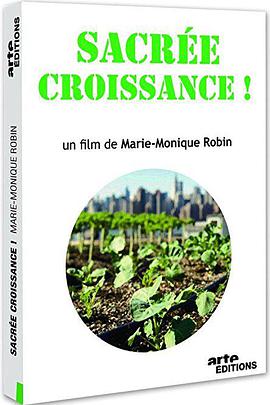
《孟山都公司眼中的世界》《未来的收获》导演Marie-Monique Robin2014年新作 Le nouveau documentaire de Marie-Monique Robin est avant tout l’histoire d’une cassure. Entre les décideurs politiques et une partie de la population réticente à se laisser imposer les doxas libérales, les visions du monde tel qu’il doit être mené semblent irréconciliables. Lorsque les premiers ne jurent que par la croissance, répétant le terme comme une formule incantatoire, les seconds espèrent en d'autres solutions et réfutent le productivisme et la consommation à tout prix. Les experts intervenant dans le film sont formels : sous la forme qu'elle a connue au XXe siècle, la croissance est terminée, elle ne reviendra pas. De nombreux paramètres ne leur laissent aucun doute, dont la fin de l’ère des énergies bon marché ou la dépendance croissante à la dette. Fous et insoumis "Celui qui pense qu’une croissance exponentielle infinie est possible dans un monde fini est soit un fou soit un économiste" déclare un... économiste, non sans humour. Alors, pendant que les États s’enfoncent dans la crise, des insoumis créent les prémices d’une société fondée sur la sauvegarde écologique et le développement durable. Avec Sacrée croissance !, la réalisatrice présente une sélection d’initiatives réussies et de modèles alternatifs viables. Son film élargit ainsi le champ des possibles en montrant comment on peut réfuter en action, et pas seulement en paroles, le modèle économique dominant. Avec une idée force : face au gaspillage mondial, la réponse doit être locale et solidaire. À Toronto, une coopérative de fermiers produit des légumes bio près du centre-ville et vise la souveraineté alimentaire. À Rosario (Argentine), on lutte contre l’exclusion sociale en fertilisant d'anciennes décharges pour embaucher des maraîchers débutants. Certains villages népalais s’approchent de l’autosuffisance énergétique grâce au biogaz et à la micro-hydro-électricité. Au Brésil ou en Bavière, des banques communautaires et des monnaies locales bouleversent le rapport à l’argent d’un public qui se fait "prosommateur" (producteur et consommateur). Quant au Bhoutan, il développe une politique publique révolutionnaire instaurant le concept du "Bonheur national brut" (BNB). "L’abondance matérielle finira par s’arrêter", rappelle un des intervenants. Et c'est avant qu'il faut changer de paradigme économique, insiste Marie-Monique Robin.
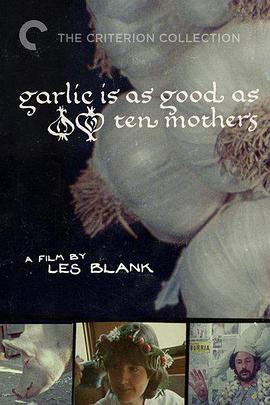
A documentary on the history of garlic. Blank interviews chefs, garlic lovers, and historians about the their love of the 'stinking rose.' Often referred to as a stinking rose, garlic, in its culinary uses, generally evokes a love it or hate it response. Quite often, these responses are on cultural lines, where old world cultures have generally revered it in their cooking, while new world cultures have not. A renaissance of sorts is taking place in the use of garlic in the United States, with more and more immigrants bringing their use of the spice to the country, with more people desiring more spice in their food, with a desire to get back to the land and with the production of plant a large part of the Central California landscape. Many chefs are presented preparing dishes prominently featuring the spice. On the bad side, the association of garlic to bad breath is discussed. On the other side, its purported health benefits are also discussed. Other topics presented include its association to vampirism, and speculation of how people will want their garlic to be presented to them in the future.
影片是电影《我不是药神》拍摄纪录片,讲述了电影拍摄的整个过程。从开拍到结束,从不同层面展示影片拍摄中的经历。
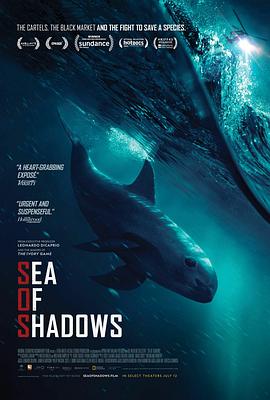
救救加灣鼠海豚!因石首魚的魚鰾可製成名貴血花膠,漁民利用刺網非法捕獵,活在同一海域的加灣鼠海豚亦連帶遭殃,正瀕臨絕種只剩十五條。要打擊濫捕濫殺殊不容易,對手是墨西哥毒梟與中國走私集團,視血花膠如海中的可卡因。科學家、新聞工作者及環保人士,決心展開保衛戰。里安納度監製,李察朗康尼精心部署拍攝,拍出恍如《毒裁者》(2015)的驚險,臥底搜證,軍警與罪犯開戰,保衛者出海巡邏,只是為了令加灣鼠海豚逃離悲慘命運,存活下去。
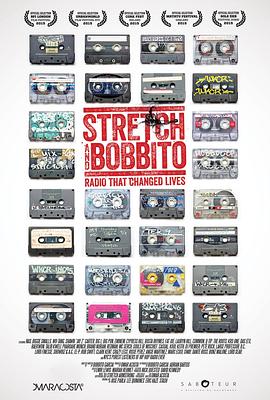
本纪录片回溯90年代为饶舌音乐奠定坚固基石的广播节目,Stretch and Bobbito他们独具慧眼的採访了Jay-Z、Nas、the Notorious B.I.G.等当年尚未发迹的音乐人,催生了纽约东岸饶舌音乐,改变流行世界版图。 Stretch and Bobbito的影响无远弗届,创造一股难以撼动的风潮,不仅是推动嬉哈文化的重要媒体,也为众多日后的嬉哈大腕的成名平台。本片以难得一见的历史画面佐以Jay-Z、Eminem、Nas、Busta Rhymes、Fat Joel最新访谈而成,当然两位备受推崇的重要舵手也在电影中现身说法,娓娓道来百花齐放的嬉哈年代。
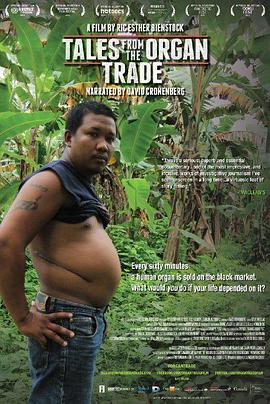
影片中既有器官贩卖经纪人、没有职业道德的医生的讲述,也展现了那些为了尽快拿到钱而愿意出卖器官的贫穷的男男女女,以及在遵守法律与生命中艰难选择的绝望病人的生活
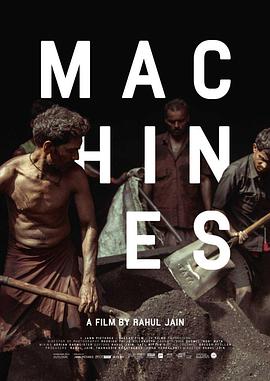
To the south of the Indian metropolis of Surat in Gujarat province lies a vast industrial zone that has been growing ever since the 1960s. Director Rahul Jain filmed the grueling daily routine in just one of the many textile factories there. In the factory, man and machine seem to have fused into one being. It is dark and dank, and barely any daylight penetrates the space. The labor is heavy and mind-numbing, and the work days seem endless. We are drawn into a gloomy world where the cacophonous beat of machinery sets the rhythm of toil. Jain is as interested in the mysterious connection between worker and product (the fabrics are treated mechanically, but also with love) as he is in the degrading conditions. Each shift lasts 12 hours, for adults and children alike, and wages are extremely low. Short interviews are interspersed throughout the observational sequences, some of which are captivating in their beauty while others are painful to watch – such as when we see a boy nodding violently in his struggle to stay awake. (From IDFA official website)